Scroll down for battlefield maps showing troop positions.
Scroll down for the text to follow along with the audio.
Click on the image to read a biographical sketch.
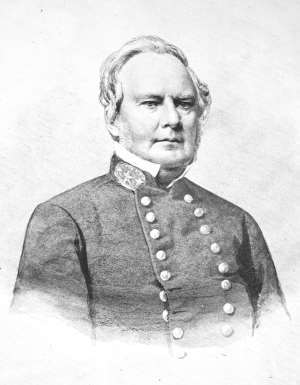
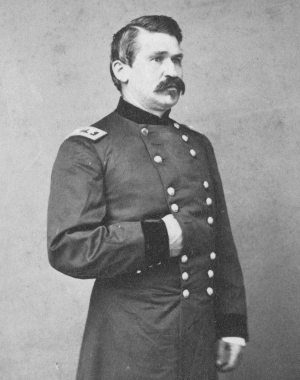
Maj. Gen. Sterling Price and Maj. Gen. James G. Blunt
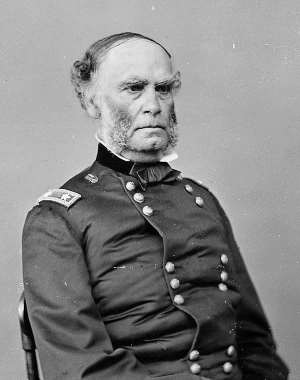
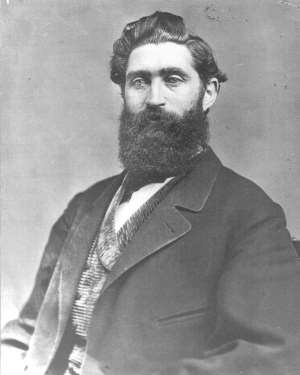
Maj. Gen. Samuel R. Curtis and Col. Thomas Moonlight
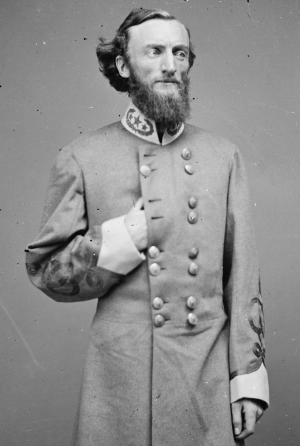
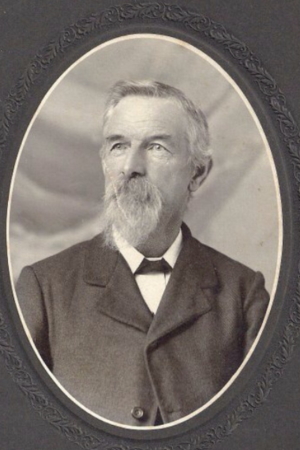
Maj. Gen. John S. Marmaduke and Col. Robert R. Lawther
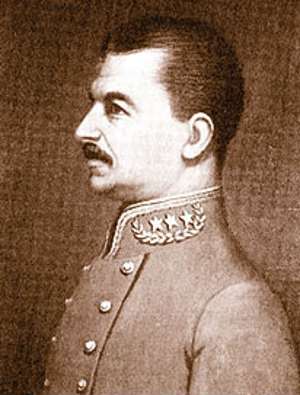
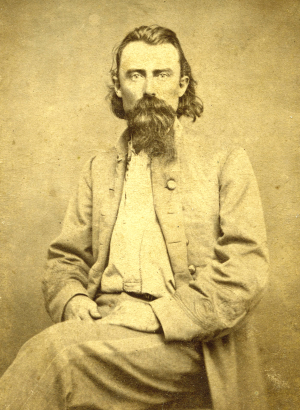
Col. Colton Greene and Brig. Gen. Jo Shelby
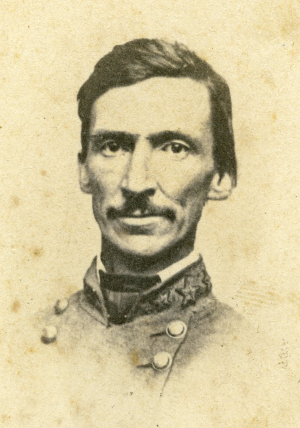
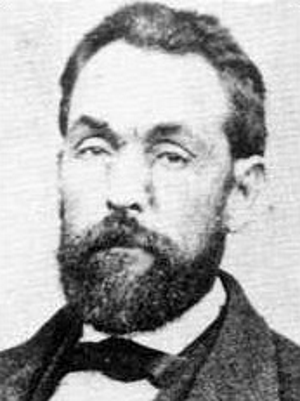
Brig. Gen. M. Jeff Thompson and Col. Sydney D. Jackman
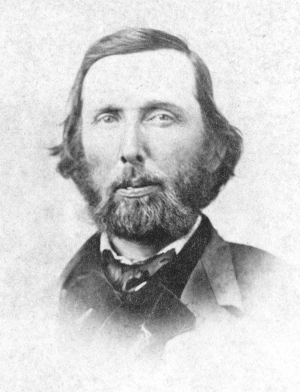
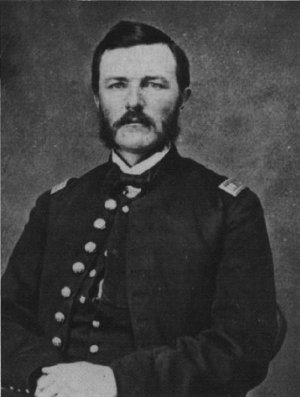
Col. James H. Ford and Capt. William D. McLain
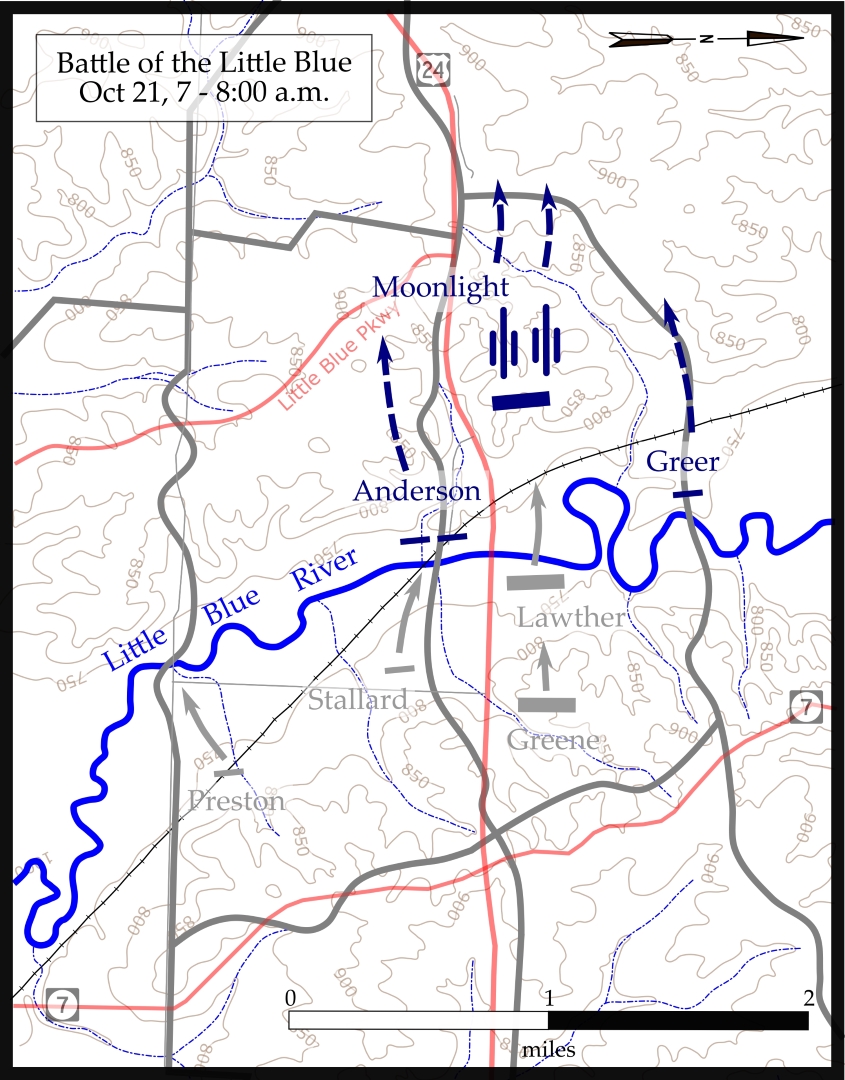
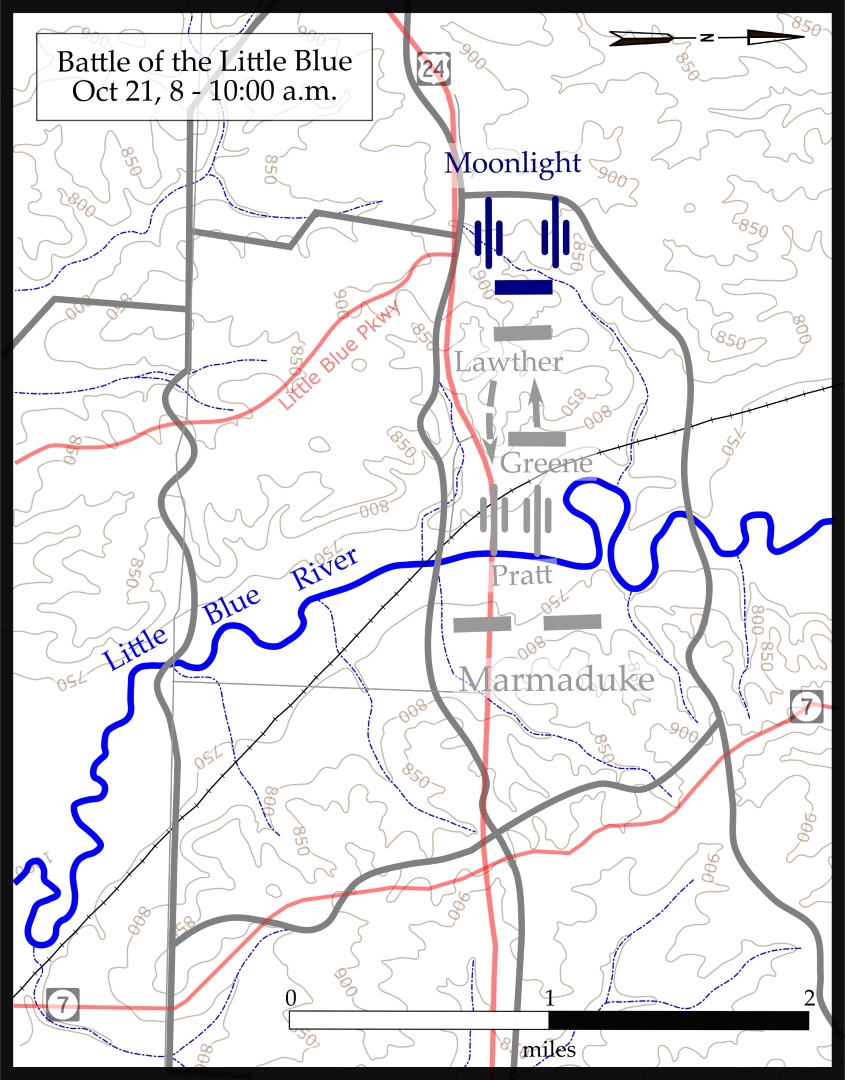
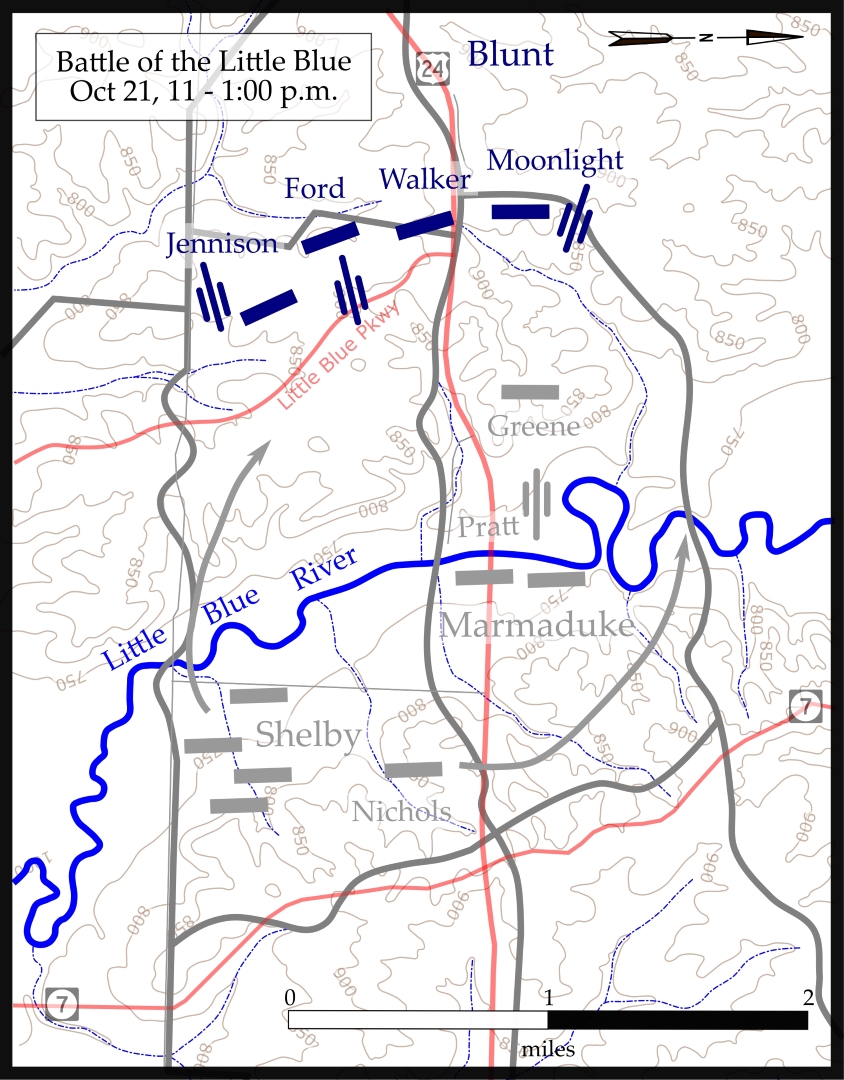
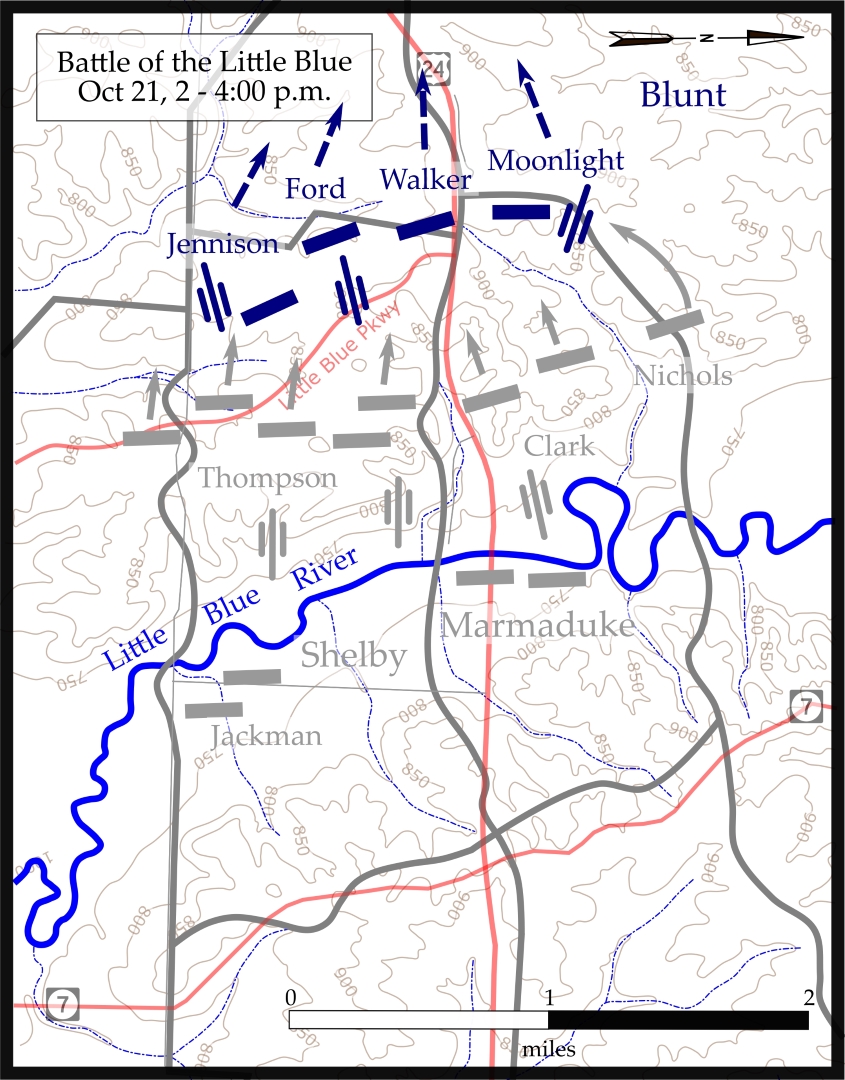
Earlier today, the Confederates under Maj. Gen. Sterling Price overwhelmed the Federal volunteers commanded by Maj. Gen. James G. Blunt. The Federals were forced to fall back through Independence to their defense line at the Big Blue River.
Having skirmished with General Price’s troops on October 19, General Blunt had fallen back to the west bank of the Little Blue River. Blunt decided this was good ground to stop the Confederate advance. But his commanding officer, Maj. Gen. Samuel R. Curtis, had ordered him to burn the bridge over that river and retreat to the Big Blue River. That’s where General Curtis planned to make his stand.
General Blunt ordered Col. Thomas Moonlight to remain at the Little Blue River with the 11th Kansas Cavalry while Blunt returned to Independence with the rest of his command. He wanted to convince General Curtis to move the Federal defense line to the Little Blue River.
Having bivouacked along Fire Prairie Creek, General Price planned to continue heading for Westport. He ordered Maj. Gen. John S. Marmaduke to secure the covered bridge over the Little Blue River.
Around 7:00 a.m. Capt. D. R. Stallard, commanding Company D, Fifth Missouri Cavalry (CSA), moved forward to secure the bridge. Col. Robert R. Lawther, commanding the 10th Missouri Cavalry (CSA), moved forward and found an unguarded ford about a quarter mile downriver from bridge and crossed over to the west side.
Now, Colonel Moonlight ordered the bridge fired and withdrew to higher ground and the protection of stone walls. Armed with repeating firearms and artillery, the Federals are outnumbered but able to hold off the Confederate attack. General Marmaduke sent in reinforcements, the 3d Missouri Cavalry (CSA) commanded by Col. Colton Greene. His flanks being threatened, Colonel Moonlight continued to slowly fall back to the west.
Not satisfied with their progress, General Price ordered Brig. Gen. Jo Shelby to cross the river and flank the Federals.
Now Colonel Moonlight found himself outnumbered 10 to 1. But around 11:00 a.m., General Blunt arrived with reinforcements and McLain’s artillery battery. The Federals deploy their line of battle on the high ground about one and a half miles west of the river.
The repeating firearms carried by the Federal cavalrymen began to take their toll against the attacks Confederates, and they are compelled to fall back a half mile to regroup. But General Shelby deployed his division across the river and was getting into the fight. The Iron Brigade commanded by Brig. Gen. M. Jeff Thompson was deployed on the Confederate left, supported by Col. Sydney D. Jackman’s brigade. And Shelby sent Jackman’s Missouri Cavalry regiment, commanded by Lt. Col. Charles H. Nichols, around to the right to cross at the Blue Mills Road Ford.
The Federals were forced to fall back because they were in danger of being flanked on both ends of their line. By 4:00 p.m., Blunt realized he was in danger of having enemy cavalry in his rear. His men were also running low on ammunition. Blunt decided to order a general withdrawal and put Col. James H. Ford’s brigade in charge of guarding the withdrawal. General Blunt successfully retreated through Independence and back to the Federal defense line along the Big Blue River.
Colonel Ford described his rearguard action covering the Federal retreat through Independence.
I received orders to cover the retreat of the army to Independence, … which I did by forming half of my command in line across the road on some favorable spot, and while that was engaging the enemy formed the remainder of the force in a similar manner in their rear, and when the first line became too hotly engaged marched it back by companies to the rear of the second line. I thus kept checking the enemy, giving the army time to pass through Independence safely, not reaching there myself until nearly sundown, when I was ordered to march my command across the Big Blue on the Kansas City road and go into camp for the night; reached camp 9 p.m., the horses getting little or no forage and the men likewise to a great extent without food.
It was late evening when General Price occupied Independence. It has taken the Confederate army all day to move less than seven miles. There continued to be danger approaching from the east. Maj. Gen. Alfred Pleasonton and his cavalry division was still out there working hard to catch up with Price’s army.
Monnett, Howard N. Action Before Westport, 1864. Boulder, CO: University Press of Colorado, 1995.
Sinisi, Kyle S. The Last Hurrah: Sterling Price’s Missouri Expedition of 1864. Lanham, MD: Rowman & Littlefield, 2016.
Titterington, Dick. The Battle of Westport, October 21–23, 1864: A Driving Tour of Battle Sites in Kansas City, Independence, and Northeastern Jackson County, Missouri. Overland Park, KS: Trans-Mississippi Musings Press, 2019.