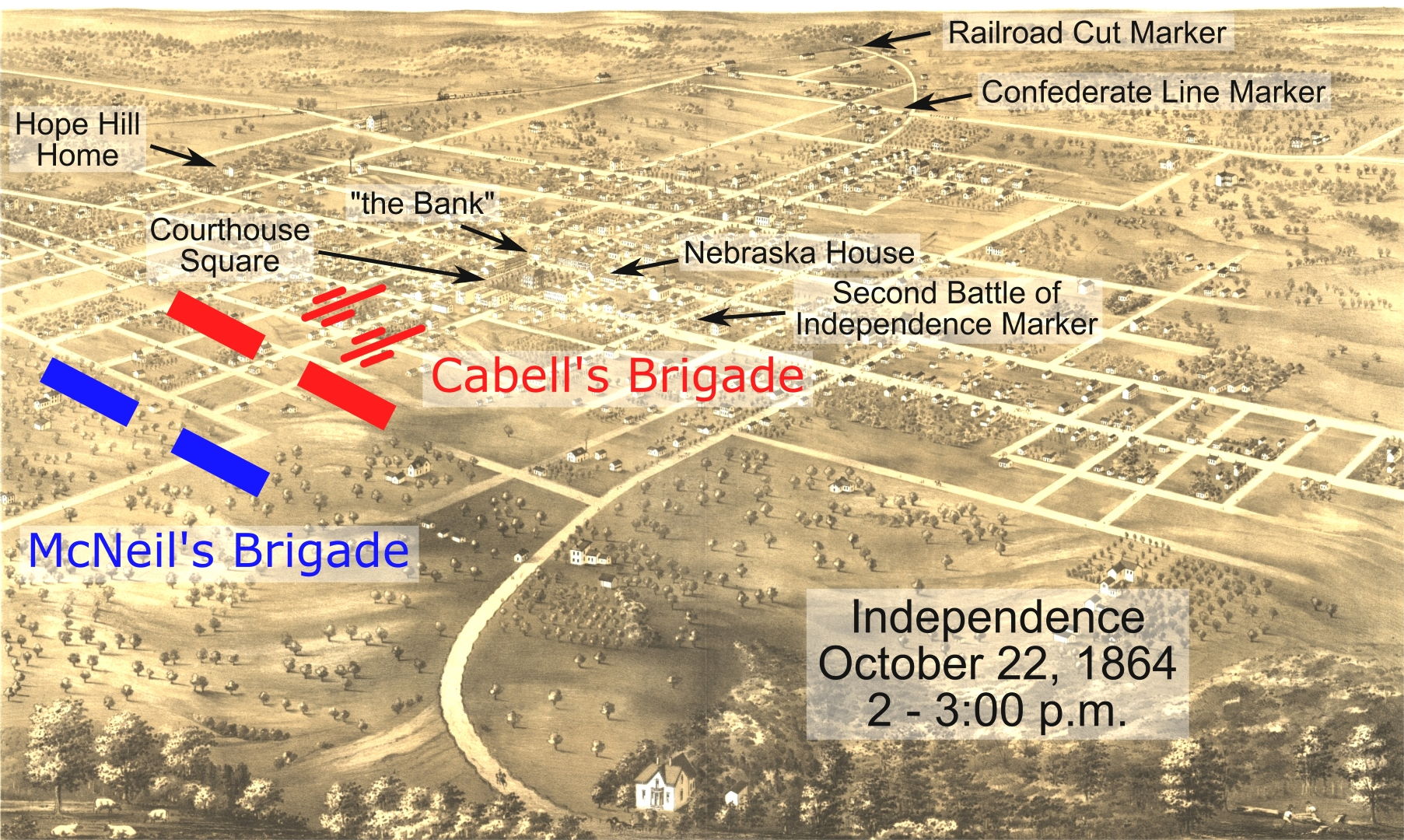
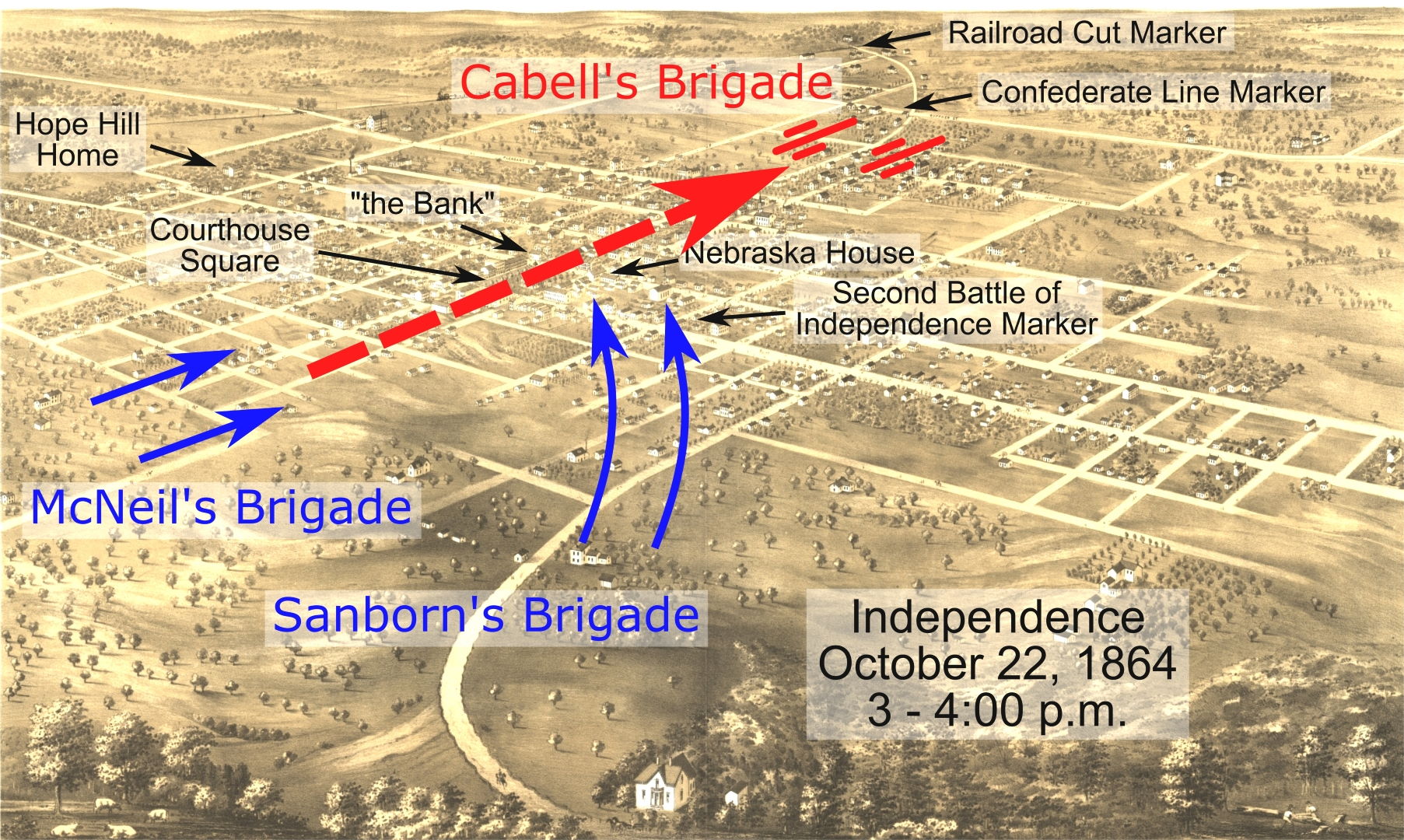
Scroll down for battlefield maps showing troop positions.
Scroll down for the text to follow along with the audio.
Click on the image to read a biographical sketch.
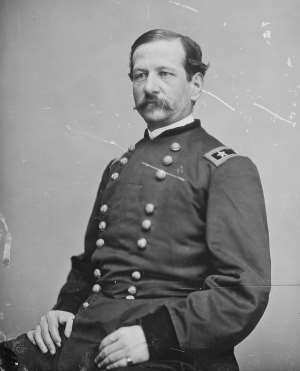
Maj. Gen. Alfred Pleasonton, Provisional Cavalry Division, Department of the Missouri
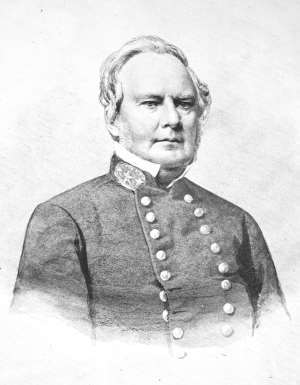
Maj. Gen. Sterling Price, Army of Missouri
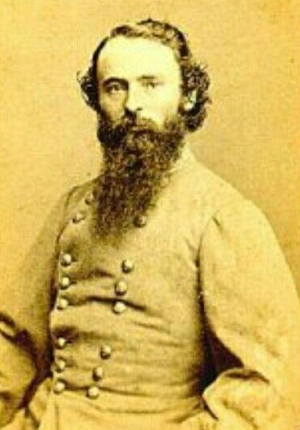
Maj. Gen. James F. Fagan, Fagan's Division
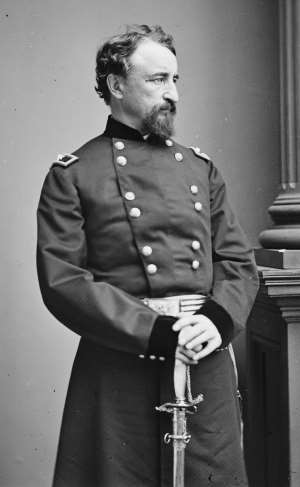
Brig. Gen. John McNeil, District of Rolla
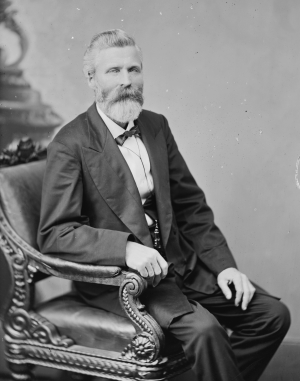
Col. William F. Slemons, Slemons's Brigade
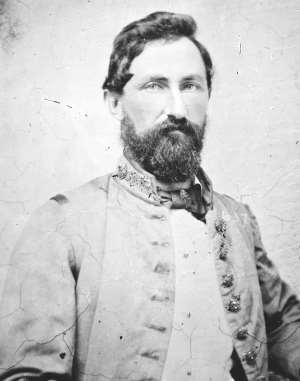
Brig. Gen. William L. Cabell, Cabell's Brigade
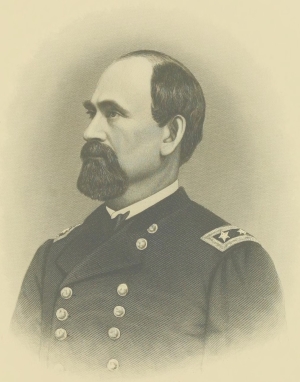
Brig. Gen. John B. Sanborn, District of Southwest Missouri
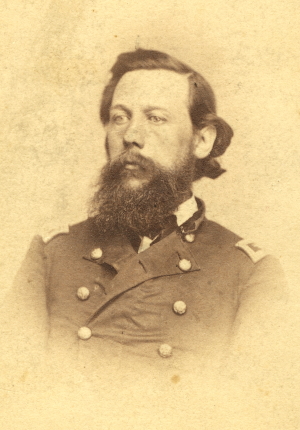
Col. Edwin C. Catherwood, 13th Missouri Cavalry
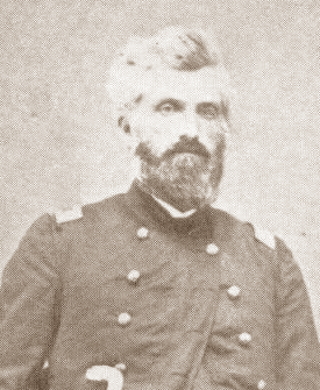
Col. John L. Beveridge, 17th Illinois Cavalry
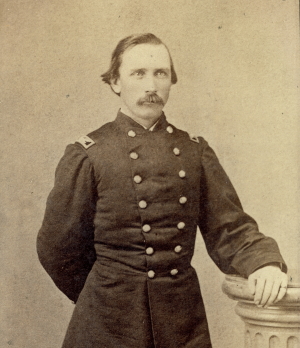
Col. John E. Phelps, 2d Arkansas Cavalry
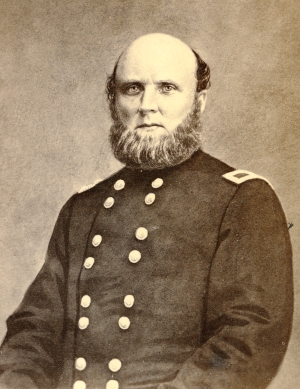
Brig. Gen. Egbert B. Brown, District of Central Missouri
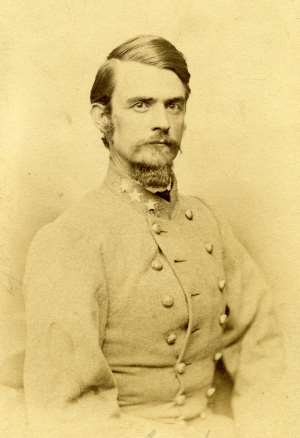
Brig. Gen. John B. Clark Jr, Marmaduke's Brigade
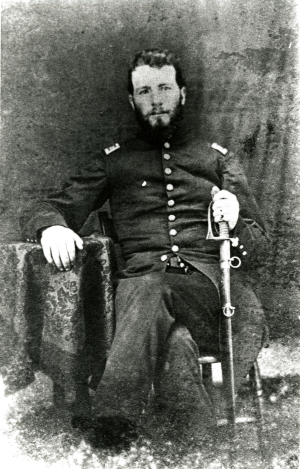
Col. Edward F. Winslow, 4th Iowa Cavalry
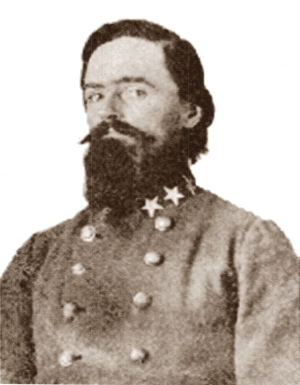
Col. William L. Jeffers, 8th Missouri Cavalry (CSA)
Earlier today, we witnessed a thrilling charge by Maj. Gen. Alfred Pleasonton’s cavalry through the streets of Independence. They attacked the rear guard of Maj Gen. Sterling Price’s Confederate army and succeeded in capturing two Confederate cannons and 300 prisoners.
Last night, General Price’s army marched into Independence after the Federals had evacuated the town. The Confederate wagon train seemed to take forever, there were hundreds of them, to pass through and settle down along Rock Creek just on the southwest edge of town. Maj. Gen. Sterling Price ordered Maj. Gen. James F. Fagan to send a regiment back to guard the crossing over the Little Blue River. Fagan selected Wright’s Arkansas Cavalry, Slemons’s Brigade, commanded by Col. John C. Wright. Wright was not pleased with this assignment. His men were tired and hungry, for they had been among the last to reach Independence. Now he had to return to the Little Blue River. It was windy, raining and cold.
Early the next morning Wright’s men saw Federal cavalry approaching. It was Brig. Gen. John McNeil, the “Butcher of Palmyra,” who had quickly built a bridge and gotten his brigade over the Little Blue River. When they continued west, they ran into the Confederate rear guard. Wright sent word back to Independence and began his delaying action against the Federal cavalry. After about 30 minutes, Wright was forced to fall back toward Independence. Col. William F. Slemons soon arrived with the remainder of his brigade to reinforce Wright. They continued a fighting withdrawal to within a couple of miles of Independence where they were joined by the brigade of Brig. Gen. William L. Cabell, whose brigade now replaced Slemons as the Confederate rearguard. The Confederates deployed two 10-pounder Parrot Rifles under the command of Capt. William F. Hughey.
It was heavy going for McNeil because of the enemy artillery fire but McNeil’s troopers were able to push the Confederate back to the outskirts of Independence. McNeil thought his men were tiring and so sent back the call for reinforcements. General Pleasonton ordered Brig. Gen. John B. Sanborn forward with his brigade. Cabell fell back into the center of Independence and set up his defense line.
Around 3:00 p.m., the Federals renewed their attack, with McNeil on the left and Sanborn swinging around to the right. McNeil ordered Col. Edwin C. Catherwood, 13th Missouri Cavalry, to charge the Confederates in columns of four. Catherwood’s charge was going to be supported by the 7th Kansas Cavalry (Maj. Francis Malone) and the 17th Illinois Cavalry (Col. John C. Beveridge). Sanborn ordered Col. John E. Phelps, 2d Arkansas Cavalry, to charge from the northeast and hit the Confederate left flank.
The charging Federals hit the Confederate hard. Cabell tried to bring Hughey’s artillery to bear on the enemy but was unable to get it deployed in time. With sabers slashing and pistols firing, Catherwood’s cavalry overran Captain Hughey’s battery, killing most of the horses and capturing the two guns. General Cabell was almost swept up in this charge, but managed to escape “by jumping over a piece of artillery and running through the passage of a double log cabin and jumping the yard fence.” Around 300 Confederates were captured during this fighting.
McNeil and Sanborn did not pursue the fleeing Confederates so General Pleasonton ordered Brig. Gen. Egbert B. Brown forward to chase after the enemy. When Brown’s troopers reached Rock Creek southwest of town, they ran into Brig. Gen. John B. Clark Jr’s brigade, who had come to the relief of Cabell.
Brown moved his forces forward to engage the enemy but was tentative and did not accomplish much. There was an uneasy lull in the fighting with the Confederates on the west side of Rock Creek and Brown’s brigade on the east side.
It was early evening when Col. Edward F. Winslow arrived in Independence with his cavalry brigade. Pleasonton took little time to order Winslow forward to support Brown southeast of town.
Winslow quickly headed down the Byram’s Ford Road, crossed Rock Creek, and attacked the Confederate positions. For the rest of the evening there was a running fight as Winslow’s troops pushed the Confederates back down the Byram’s Ford Road.
Winslow’s forward momentum was slowed down when General Clark deployed Pratt’s artillery. The fighting ended four miles each of the Big Blue River around 10:30 p.m. on Saturday, October 22. Clark withdrew his brigade back to Byram’s Ford, leaving Col. William L. Jeffers with the 8th Missouri Cavalry (CSA) as a rearguard. Winslow’s men spent the night where the fighting ended.
Monnett, Howard N. Action Before Westport, 1864. Boulder, CO: University Press of Colorado, 1995.
Sinisi, Kyle S. The Last Hurrah: Sterling Price’s Missouri Expedition of 1864. Lanham, MD: Rowman & Littlefield, 2016.
Titterington, Dick. The Battle of Westport, October 21–23, 1864: A Driving Tour of Battle Sites in Kansas City, Independence, and Northeastern Jackson County, Missouri. Overland Park, KS: Trans-Mississippi Musings Press, 2019.